Cart
0
Hanging a horse painting is easy. Hanging it so it looks intentional takes a little more thought. The right spot shows the artwork well, suits how you use the room, and works with the furniture around it. Here are the places where horse paintings tend to look their best in Indian homes.
Start with a paper template
Before you drill anything, make a paper outline of the painting at its full listed size. Tape it to the wall and live with it for a day or two. Look at it from the doorway, from the sofa, and from wherever you usually stand. Measure the wall and note the position of windows, doors, switches, and furniture, since these often decide the placement more than the painting itself.
Set the height
Most interior guides and gallery standards place the centre of a painting around 57 to 60 inches from the floor. This sits close to average eye level, and the most common mistake is hanging art too high. To find the hook position, measure the painting's height, divide it in half, and add that to 57 inches. Then subtract the distance from the top of the frame to the hanging wire or hook. Check the result against your paper template before you hammer anything in.
The living room wall behind the sofa
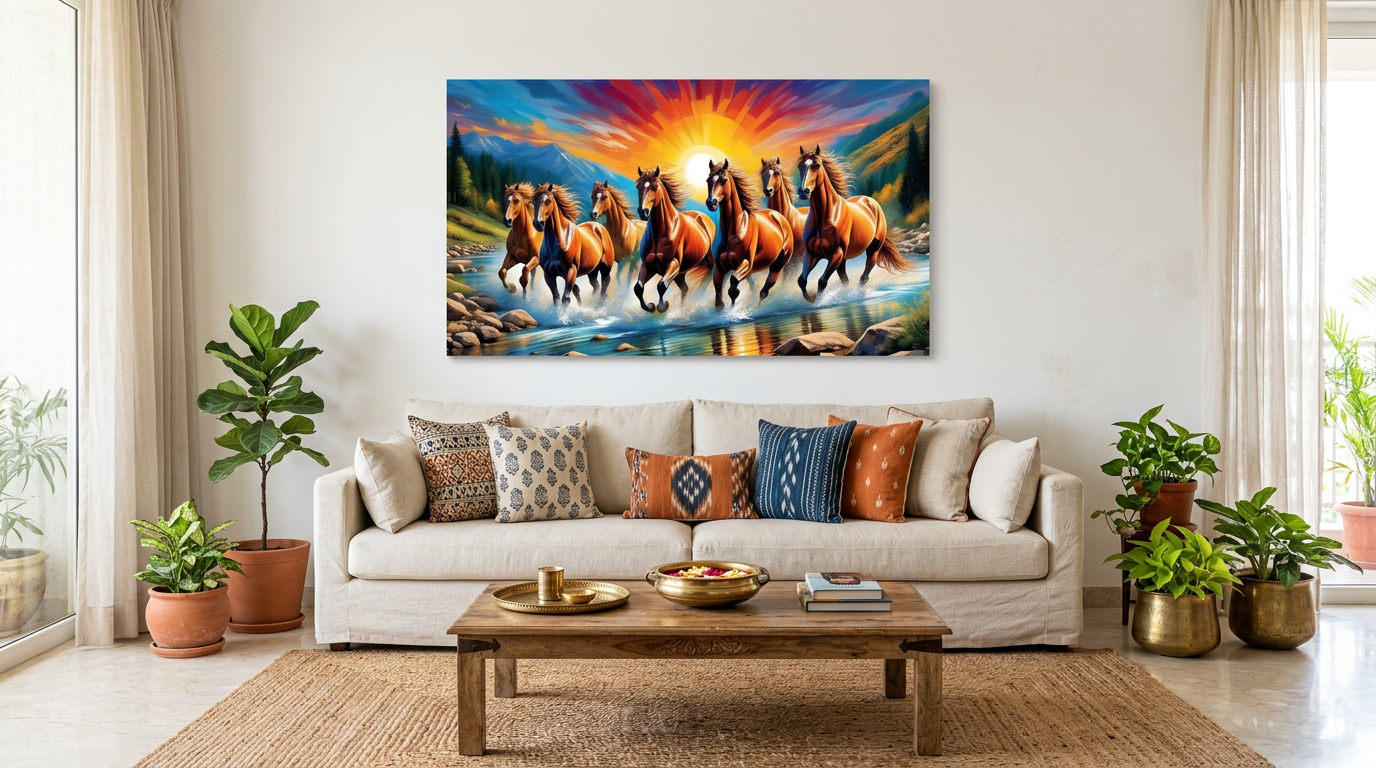
The living room is the most common home for a horse painting, and the wall behind the sofa is usually the best spot. It is the first wall people see when they enter. Aim for the painting to cover roughly two-thirds of the sofa's width, and keep the frame a few inches above the sofa back, often between about 6 and 10 inches. If a window sits nearby, check how the painting relates to the window frame, and avoid placing it where direct light falls across the surface.
The dining area
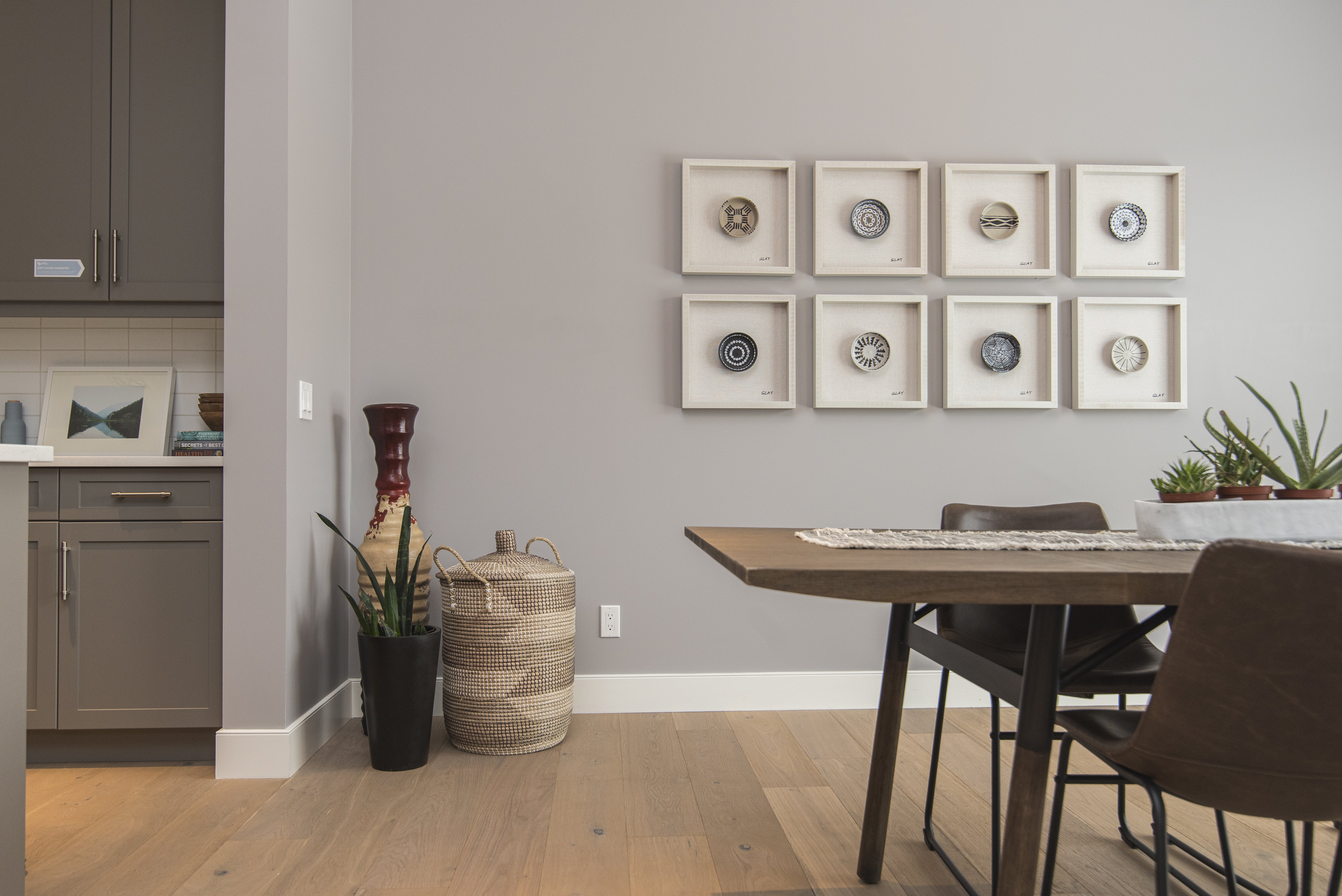
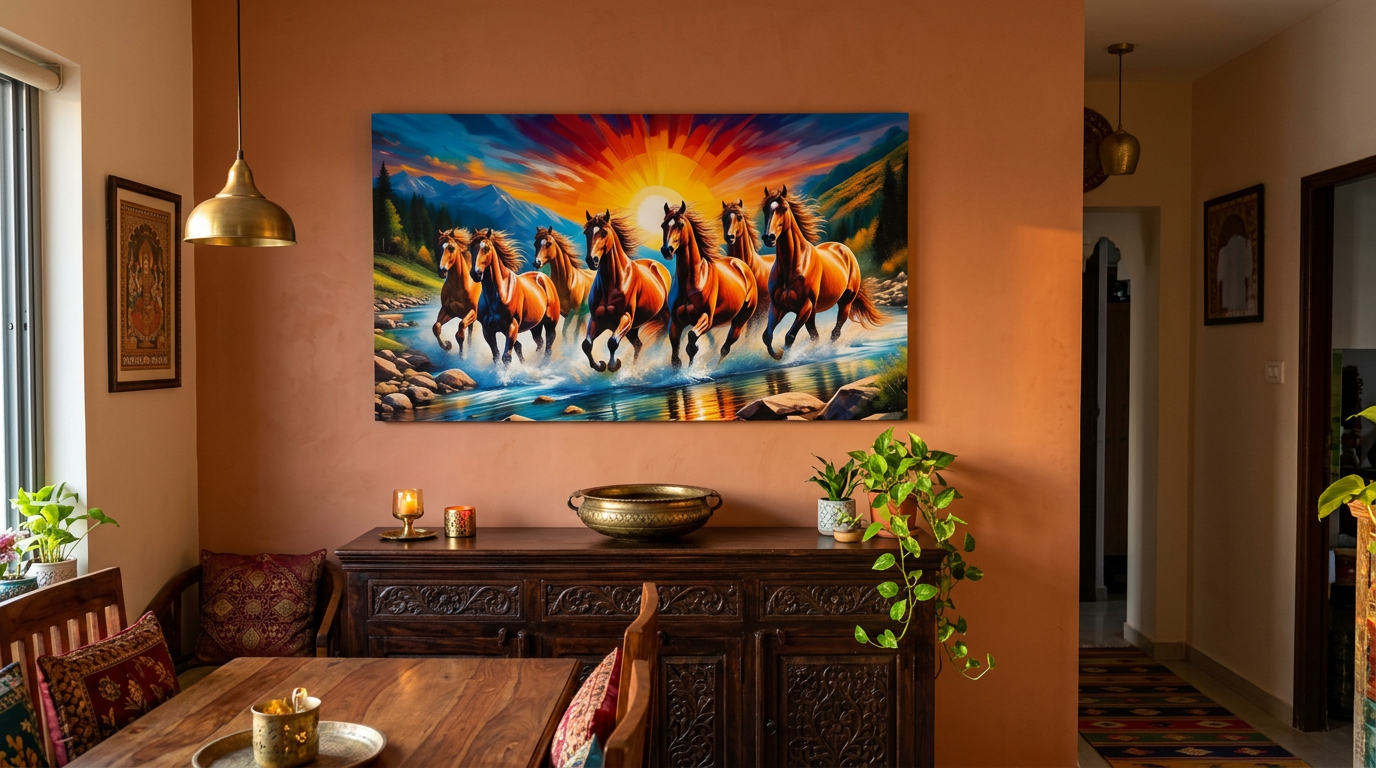
A horse painting in the dining area adds life to a room used for meals and conversation. Warm tones suit the room, since they complement the lighting most homes use in the evening. Keep the wall clear of heavy shelving that would compete with the artwork. If the dining table is against the wall, centre the painting above it, with the bottom edge a comfortable distance above the table or sideboard.
The hallway or entrance
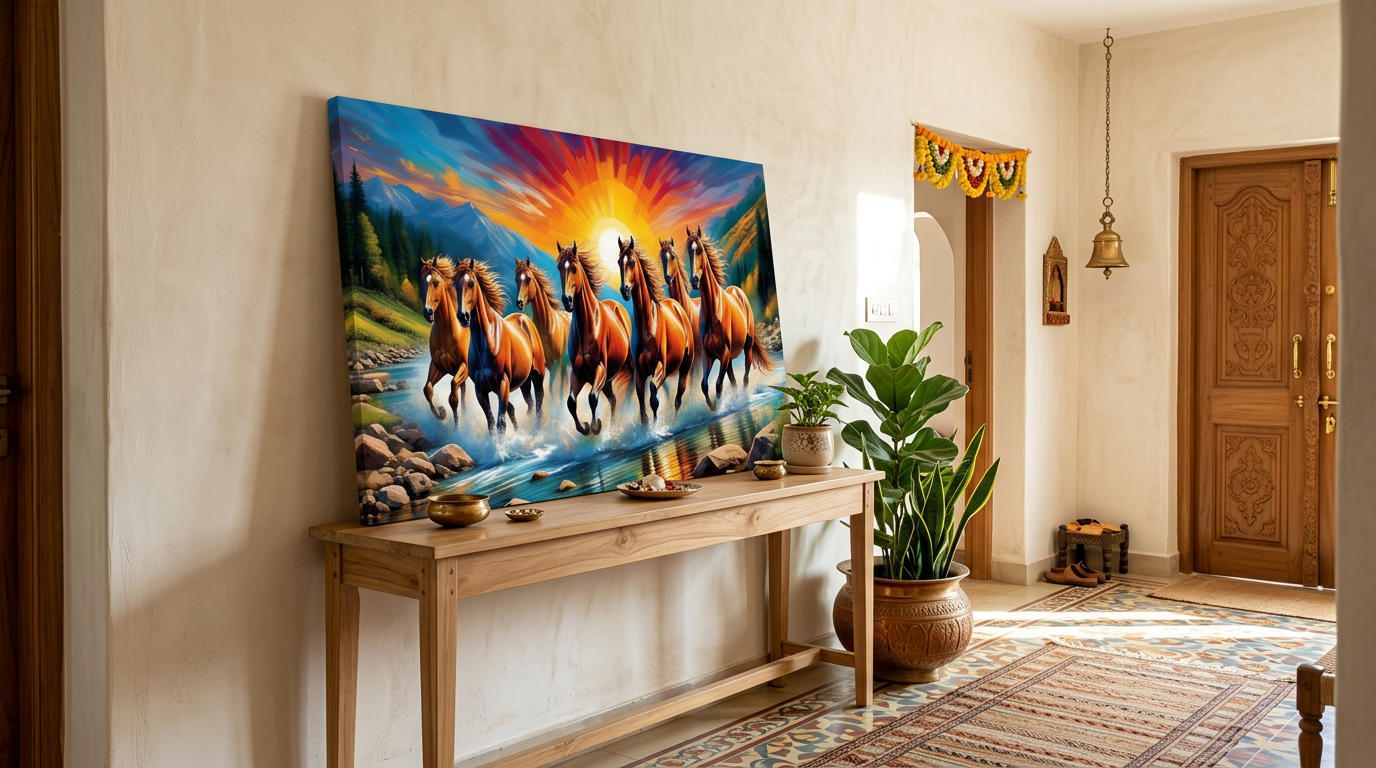
A long hallway is a good place for a slim or vertical canvas. Here the painting acts as a welcome, so a piece that feels open and calm works best. Make sure the wall is not in the direct path of the front door, where shoes, bags, or everyday movement could knock it, and check that the hanging hardware is secure.
The home office
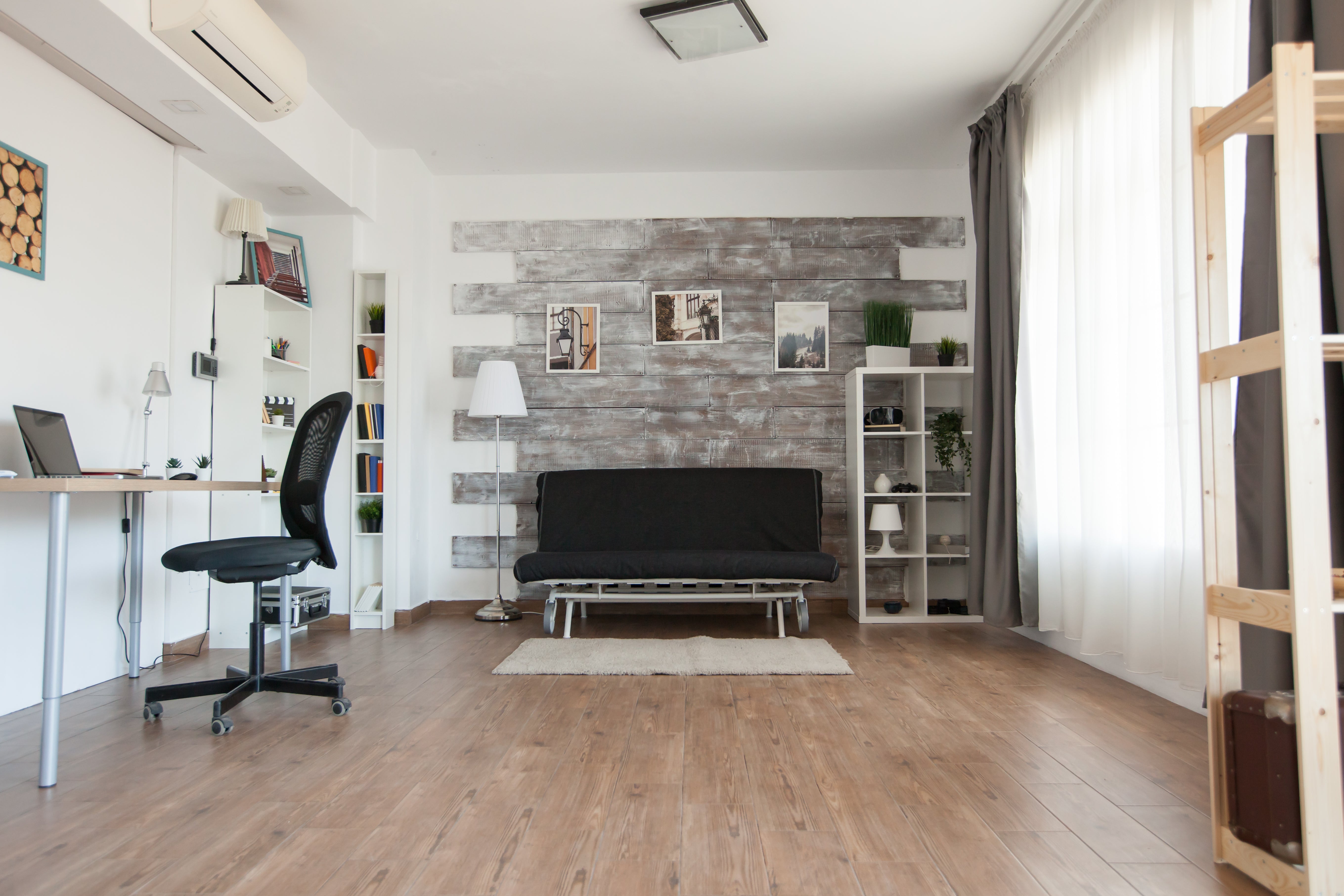
An office benefits from artwork that feels steady and supportive. Place the painting on a side wall or behind the desk, rather than directly in your line of sight from the screen. Avoid glossy finishes opposite a window, where glare can reflect into your workspace. A matte finish is usually easier to live with.
Avoid these spots
Keep paintings away from bathrooms, kitchens, and walls where moisture collects, since humidity can damage canvas and frames. Avoid direct sunlight for long periods, which can fade colours. Many guides also suggest avoiding a wall that directly faces the main door.
Practical hanging tips
Use hardware rated for the weight of the piece, and check it every few months. Make sure the wire or hooks sit securely and that the frame hangs level. Use a spirit level, and step back to check the position from the main viewing spots. A piece that is slightly out of level can look noticeably wrong.
A simple placement checklist
- Make a paper template and live with it for a day before drilling.
- Hang the centre near 57 to 60 inches from the floor.
- Living room: aim for about two-thirds of the sofa width, with the frame 6 to 10 inches above the sofa.
- Dining area: centre above the table or sideboard, and keep the wall calm.
- Hallway: choose a calm, open piece, away from the path of the front door.
- Office: place the painting to the side or behind the desk, with a matte finish.
- Avoid moisture, direct sun, and walls directly facing the main door.
- Check the hanging hardware and level before you step away.
Browse our horse paintings collection to find a piece for the room you have in mind.