Cart
0
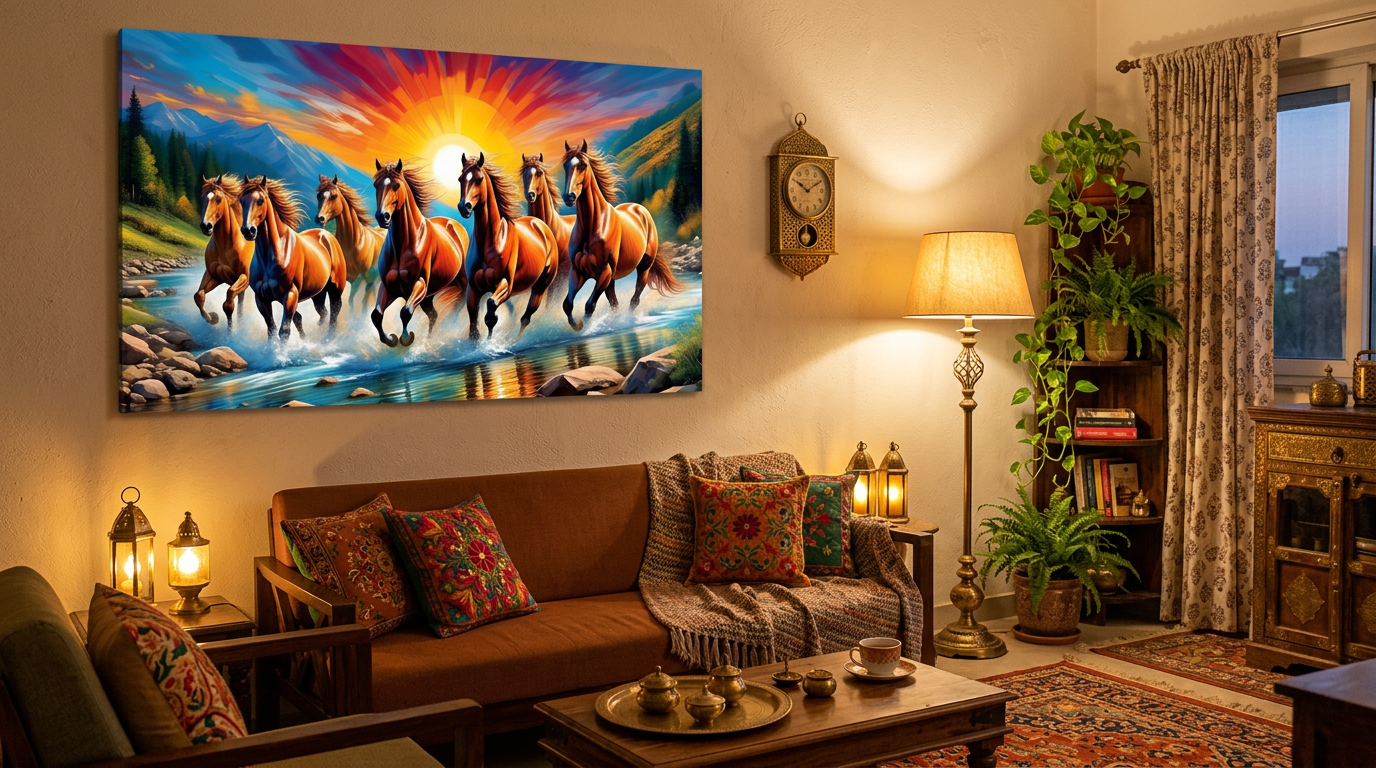
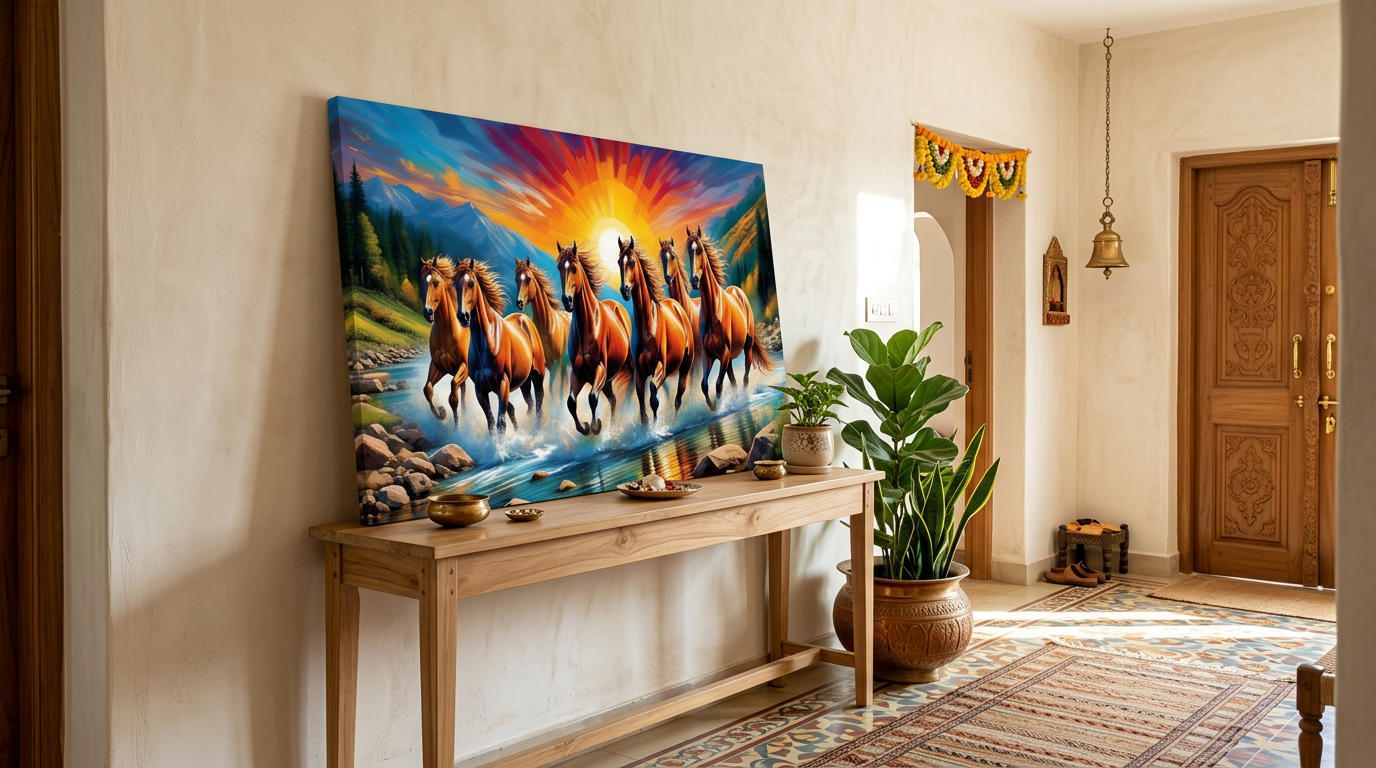
A horse painting is a lasting addition to a home, and with a little care it can look as good in twenty years as it does on the day it arrives. Canvas, frames, and colours all respond to dust, light, humidity, and handling. None of these demands are difficult to meet, and most of the habits that protect a painting are simple ones you can build into your normal routine.
This guide explains how to look after a horse painting at home, covering gentle cleaning, protection from sunlight and moisture, careful handling, and regular checks of the hanging hardware.
Understand what wears artwork down
Most damage to wall art at home comes from four sources. Dust builds up on the surface and frame and can dull the image over time. Strong sunlight can fade pigments and dry out materials. Humidity can warp frames and cause canvas to sag or loosen. Careless handling, such as lifting by the canvas or bumping the edges, can cause tears and dents. Protect the piece from these four risks, and it will last much longer.
Dust it gently
Use a soft, dry brush or a clean microfibre cloth once a month. Work gently across the surface in the direction of the canvas weave rather than pressing hard, and dust the top edge of the frame, where dust settles. Avoid spraying cleaning products directly onto a painting, since liquid can soak into canvas, stain the surface, or damage the paint. If the surface needs more than dusting, ask the seller for their care guidance, or consult a professional conservator for valuable work.
Protect it from direct sunlight
Strong sunlight can fade colours over time and dry out canvas and wooden frames. Hang the painting away from windows that receive direct afternoon sun, or use a sheer curtain during the brightest hours. If your only suitable wall receives strong light, consider moving the piece seasonally, or choosing a finish that handles light well. A matte finish is generally easier to live with in bright rooms.
Manage humidity at home
Humidity can quietly damage artwork. Damp walls and moist air can warp wooden frames, cause canvas to sag, and encourage mould in some conditions. Monsoon months are often the hardest, so pay extra attention then. Hang the painting on an interior wall where possible, and keep it away from bathrooms, kitchens, and walls that feel damp. Good air circulation helps, so avoid a corner where air cannot move.
Keep it away from heat
Heat can dry out materials as well. Avoid hanging the painting directly above a stove, heater, or fireplace, and keep it out of the path of hot air from appliances. A steady temperature is kinder to artwork than sudden changes.
Handle it with care
When you lift a painting, hold it by the frame edges, never by the canvas. Keep it upright when you move it, and avoid leaning it against walls with the painted surface facing outward. When you rearrange furniture, remove the painting from the wall first, rather than moving it on its hooks. Pack it carefully if you are moving home.
Check the hanging hardware
A loose hook or worn wire is one of the most common causes of damage at home. A painting can tilt, fall, or slide, and the impact can tear the canvas or dent the frame. Check the hooks, wire, and wall anchors every few months, and make sure the hardware is rated for the weight of the piece.
Keep the surrounding wall clean
Dust and grease from cooking, smoke, or daily life can collect on the wall near the painting and on the frame. Wipe the surrounding wall gently, and keep the area above furniture free of objects that could fall or rub against the piece. Keep the painting out of reach of pets and children where possible, and make sure the furniture beneath it is stable.
Check for signs of wear
Look at your painting every few months. Check for loose edges on the canvas, cracks or chips in the frame, fading on one side, and any sign of moisture. Early signs are easier to deal with than problems that have developed over time. If you spot damage, contact the seller if the piece is recent, or consult a framer or conservator for repairs.
Care for the frame
Wooden frames respond to humidity and dryness, so keep them in a stable environment. Dust the frame with the same soft cloth you use on the painting, and avoid strong cleaners. If the frame has a finish, avoid rubbing it hard.
A simple care routine
- Dust the painting and frame with a soft, dry cloth or brush once a month.
- Keep the piece out of direct sunlight, and use a sheer curtain in strong light.
- Hang it on an interior wall, away from bathrooms, kitchens and damp areas.
- Keep it away from heaters, stoves and fireplaces.
- Lift the painting by the frame, and remove it from the wall before moving furniture.
- Check the hooks, wire and anchors every few months.
- Look for signs of wear, such as loose edges, cracks, fading or dampness.
A horse painting that is cared for gently will keep its colour, its shape, and its presence in the room for many years. Browse our horse paintings collection to find a piece that will look good in your home for years to come.