Cart
0
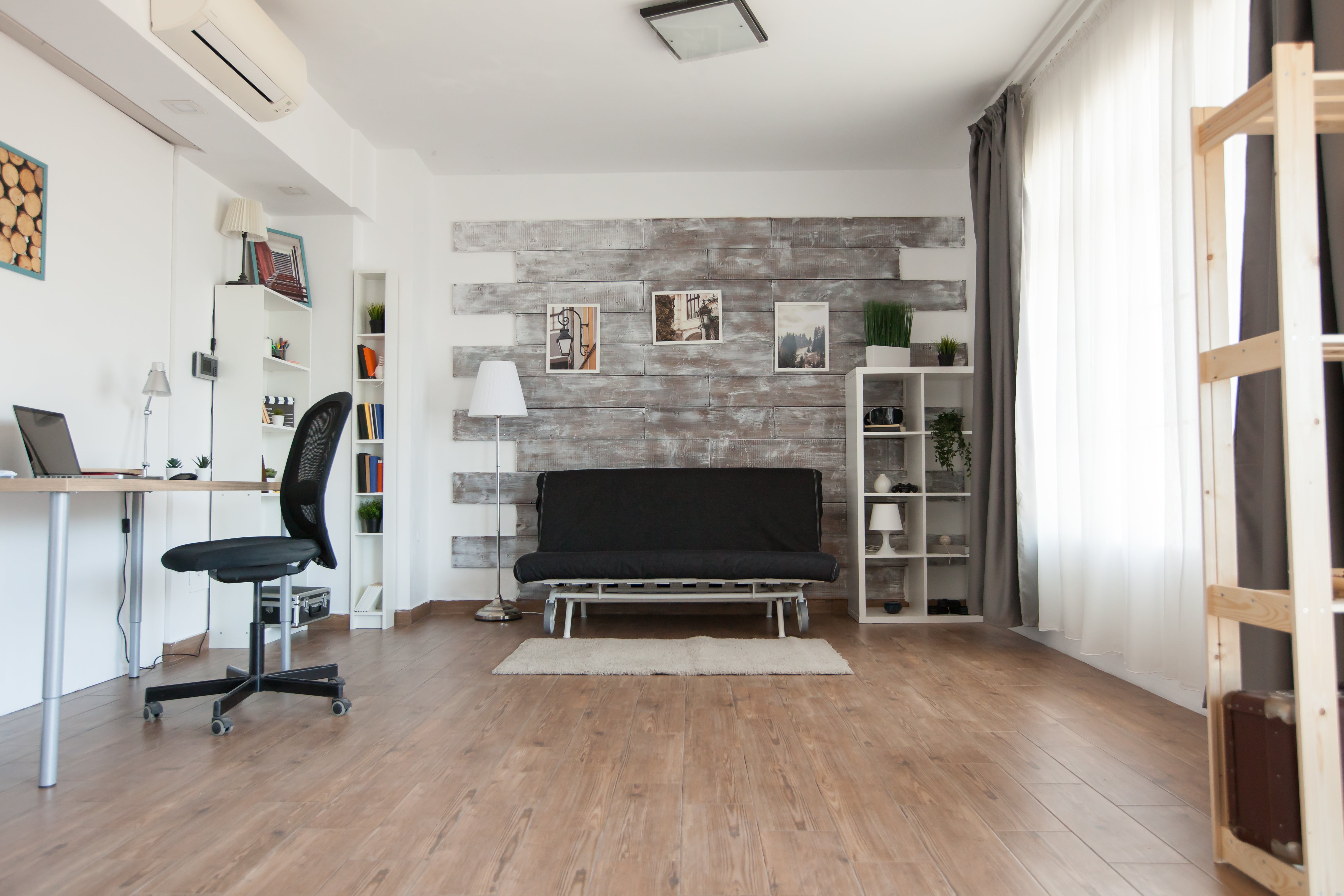
A room has a mood, even when you are not thinking about it. Some rooms feel warm and settled, others feel open and bright, and many sit somewhere in between. Wooden wall art can shape that feeling in a particular way. Its grain, tone, and texture bring a sense of warmth and natural calm, and the same piece can feel quite different depending on its wood tone, its design, and where it hangs.
This guide explains how a wooden piece's tone, texture and design can change the mood of a room, and offers a simple way to match a piece to what each room needs.
Warm tones bring a sense of settledness
Richer wood tones, such as warm browns and deeper honeys, make a room feel grounded and welcoming. They suit traditional Indian interiors with timber furniture and brass accents, and they can make a room feel cosy in the evening. Warm tones work especially well in living rooms and dining areas where people gather and talk.
Lighter tones bring a sense of openness
Paler woods feel airy and bright. They suit rooms that need a sense of space, such as a small flat, a hallway, or a room with limited natural light. A light wood tone can lift a room without adding visual weight, as long as it is balanced with some darker accents elsewhere.
Texture adds character
Visible grain, carved detail, and layered surfaces add interest without strong colour. A piece with a clear grain can feel honest and calm, while a more detailed carving can give a room a sense of craftsmanship. In a room with few other textures, a piece with more surface detail can bring depth. In a room that is already busy, a simpler surface can keep the mood settled.
Design sets the rhythm
Simple geometric designs feel orderly and calm, which suits rooms meant for focus and rest. Natural motifs feel organic and relaxed, which suits living spaces. Denser designs create a stronger focal point, which can suit a large wall, but they can feel heavy in a small room. Choose the design that matches the feeling you want the room to have.
Light changes the feeling
Light brings out the grain and changes how the tone reads. A piece that looks warm at noon may look deeper and richer under a lamp in the evening. Check how the wall is lit at the times of day you use the room most. A warm lamp placed near the piece can bring out the richness of the wood after dark, without harsh glare. Avoid placing glossy finishes opposite a window, where reflections can distract. A matte or satin finish usually holds its mood in both daylight and lamplight.
Scale affects the mood
Size changes the feeling of a room as much as the wood does. A large piece on a main wall creates a clear focal point and can make the room feel more deliberate. A smaller piece feels more intimate, and it suits a quieter corner or a bedroom. As a common guideline, a piece above a sofa often looks balanced when it covers about two-thirds of the sofa's width. Use this as a starting point, then check the feeling of the room with a paper template on the wall.
Match the mood to the job of the room
Start by asking what you want the room to do. A living room where family and guests gather often suits warmth, so a richer wood tone with a clear grain fits well. A bedroom where you rest suits calm, so a lighter or mid-tone wood with a quiet design can support rest. A home office suits a balanced feeling, with a mid-tone wood and a clean pattern that supports focus. A dining area often suits warmth, since the piece sits alongside the table and the lighting used for meals.
Think about how often you see it
A piece you see every day has a different job from one you see only occasionally. In a hallway or a room you pass through several times a day, a clear, calm design can set a steady tone. In a room where you sit for long periods, the piece should be easy to live with. Avoid very busy designs in places where you spend many hours.
Consider the other elements in the room
The mood of the piece interacts with everything else in the room. Furniture, cushions, rugs, lamps, and plants all contribute. If the room already has strong wood, a lighter piece can balance it. If the room is pale and simple, a richer wood tone can give it depth. Step back and look at the whole room. The piece should feel like part of the room, not something placed on top of it.
Traditional guidance on mood
Many people also look to Vastu when choosing a piece's mood. Vastu guides often recommend uplifting imagery for shared rooms and calmer subjects for bedrooms, and they commonly advise against heavy, gloomy, or aggressive designs. Vastu is a traditional practice rather than a scientific one, so treat this guidance as a matter of personal belief. Many people find that calm and balance also make good design sense.
A simple way to choose
- Decide what the room is for, and what mood it should support.
- For warmth, consider a richer wood tone with a clear grain.
- For openness, consider a lighter tone in a simple design.
- Check the piece in morning and evening light before you buy.
- Match the size to the furniture, and test it with a paper template.
- Avoid very busy designs where you spend long periods.
A wooden piece can set the tone of a room and make it feel like home. Explore our wooden wall arts collection to find a piece that matches the mood you want.