Cart
0

Many people in Indian cities live in compact flats, where every wall has to work hard. Furniture is chosen for function, rooms serve several purposes, and there is often less wall space than people would like. A well-chosen wooden piece can still add warmth and character, and it can make a compact room feel considered rather than cramped.
This guide explains how to choose and place a wooden wall piece in a small apartment, covering size, tone, height, light, and the practical details that matter when space is limited.
Start with the wall you actually have
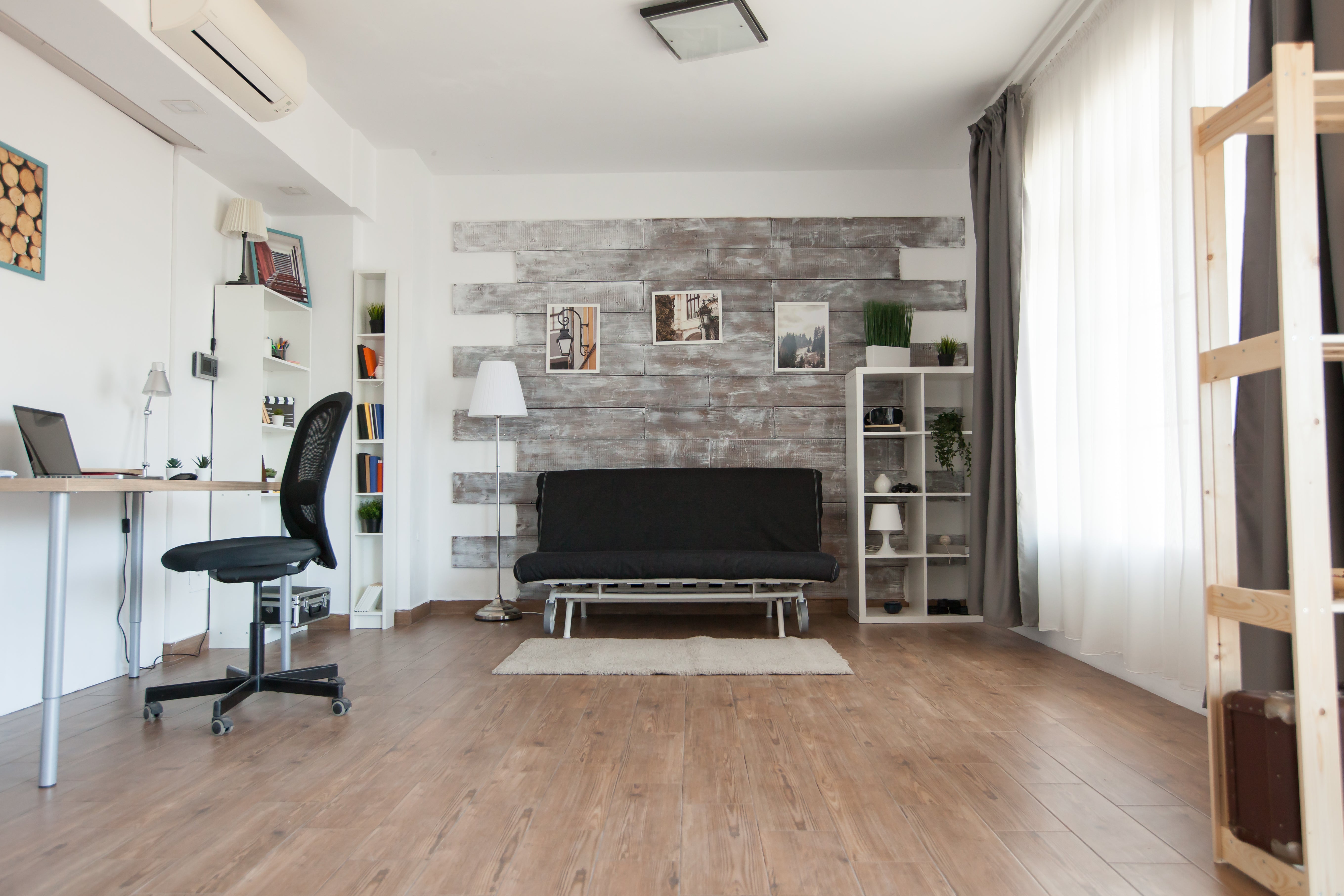
In a small flat, the first step is to see the space clearly. Measure the walls and note the position of doors, windows, switches, and built-in cupboards. These fixed points often limit where a piece can go. A wall with a door in the middle may only offer one usable panel, and a corner may feel awkward for a large piece. Look for the wall you see first when you walk in, or the one behind the sofa, since that is often the natural place for a focal piece in a small flat.
Choose a size that fills the wall without crowding it
Size matters more in a small home than in a large one. A very large piece can overwhelm a compact room and make the walls feel closer, while a tiny piece can look lost. A medium to large size, sized to the wall and the furniture beneath it, is usually the best choice. A common designer guideline is to aim for the piece to cover roughly two-thirds of the width of the sofa or console. Leave comfortable space at each side so the piece does not touch the corners, and use a paper template on the wall before you buy.
Choose a lighter wood tone
Colour and tone change how big a room feels. Pale and mid-tone woods help a small room feel open and airy, and they reflect more light than very dark finishes. A light wood piece can bring warmth to a compact flat without adding visual weight. A deeper wood tone can still work, but it is best used as a single accent on a wall that is not crowded.
Think about the shape and depth
The shape of a piece matters as much as its size. A horizontal design can make a narrow room feel wider, while a vertical design can draw the eye up and make a low ceiling feel higher. Depth also matters in a small space. A deep, sculptural piece casts more shadow and sits further from the wall, which can feel heavy in a narrow hallway. A shallower piece sits flatter and suits tight spaces better.
Hang it at the right height
In a small apartment, hanging a piece at the right height helps the room feel organised. The standard guideline for most rooms is to hang the centre around 57 to 60 inches from the floor, close to average eye level. Where there is furniture below, the lower edge often looks best a few inches above the sofa or console. Some people hang a piece slightly higher in a small room to draw the eye upwards, which can work well if the ceiling is low. Do not hang it so high that it feels disconnected from the furniture below.
Keep the area around it clear
A small room benefits from fewer objects. Keep the wall around the piece relatively clear so the wood has space to be seen. Choose one or two decorative items for the surface beneath it, rather than a crowded collection. This matters even more in a multipurpose room, where furniture may be moved often.
Consider light and glare
Light matters even more in a compact home, since a small room can feel dim if it has little natural light. Check how the piece looks in the light you have, at the times of day you use the room most. A matte or satin finish is often the best choice, since it reduces reflections and keeps the grain easy to see. A warm lamp placed nearby can bring out the richness of the wood in the evening.
Protect the wood in a compact flat
Small flats can be damp in monsoon months and warm near kitchens, so take care with the location. Keep the piece away from bathrooms, kitchens, and walls that feel damp, since humidity can make wood swell or warp. Avoid placing it where direct sunlight will fall for long periods, which can dry and fade the surface.
Plan for renting and moving
Many people in India's cities rent their homes, and the same care applies to a rental as to a purchased flat. Ask your landlord about wall fixings, and choose hanging hardware that suits the weight of the piece. A lighter piece is easier to hang without making large holes, and it can be leaned on a console or shelf to avoid fixings altogether. If you plan to move, take the piece down carefully and keep the hardware, so you can make small repairs to the wall later.
Practical checks before you buy
Check the exact dimensions, including depth, and confirm whether they refer to the main panel or include a frame or mounting block. Read the delivery and packaging details, since wooden pieces can be heavy and difficult to carry up stairs in older buildings. If the building has a lift, check its size, and confirm that the piece will fit through the door and corridor. Read the return and damage policy too, since a piece that arrives damaged is especially inconvenient in a small flat where storage space is limited.
A simple checklist for a small flat
- Measure the walls and note fixed points such as doors and windows.
- Choose a medium to large size, sized to about two-thirds of the furniture beneath it.
- Pick a lighter wood tone to make the room feel open.
- Choose a horizontal design for a narrow room, or a vertical design for a low ceiling.
- Check the depth, and choose a shallower piece for tight spaces.
- Hang the centre near 57 to 60 inches from the floor, with the lower edge above the furniture.
- Keep the wall around the piece clear, and choose a matte or satin finish.
- Check the packaging, and whether the piece will fit through the door and stairs.
A wooden piece can make a small apartment feel more complete and more personal. Explore our wooden wall arts collection for pieces that suit compact homes.