Cart
0
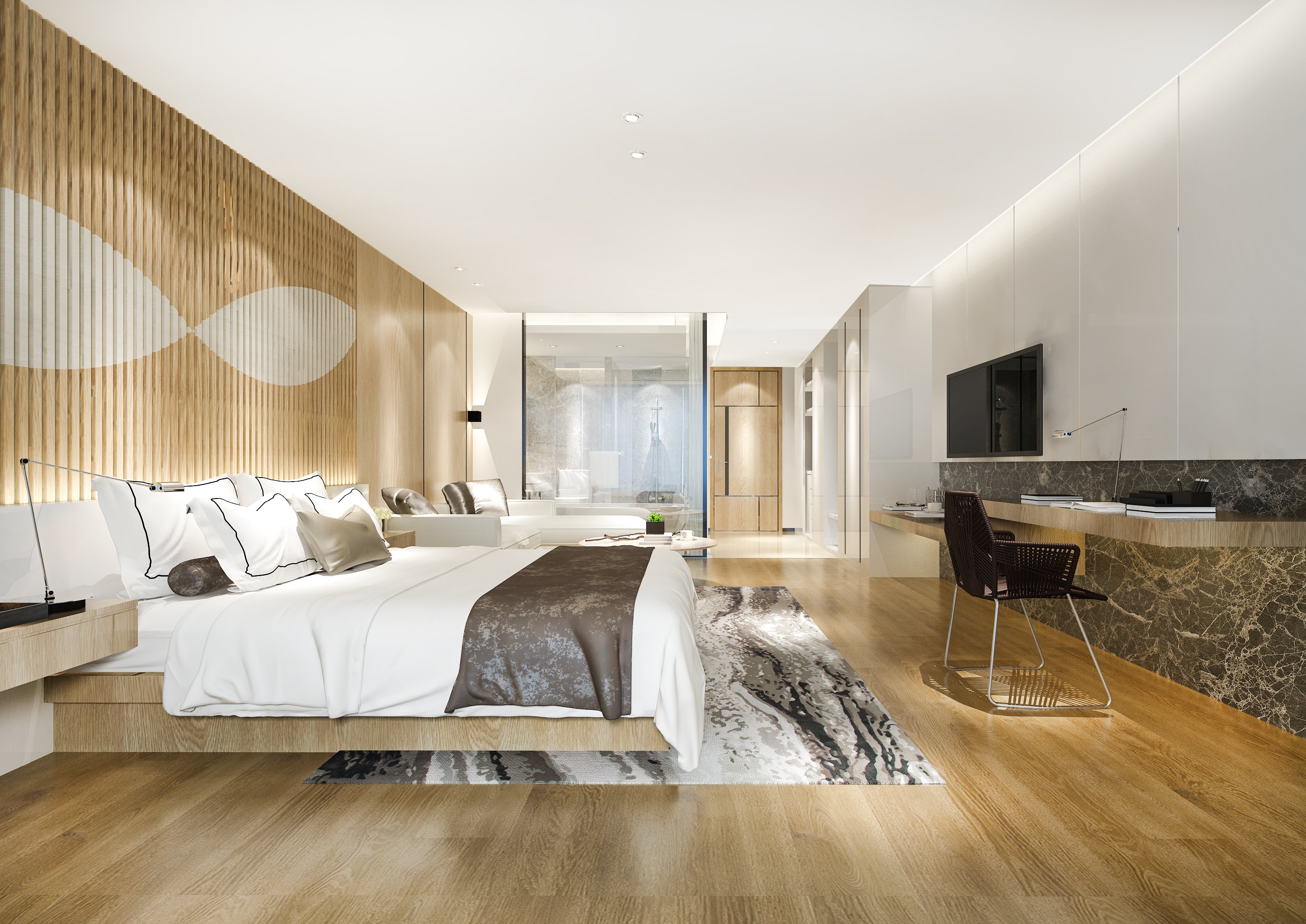
A bedroom should feel calm, and wooden wall art can add warmth without visual noise. The natural grain and soft tones of wood suit restful spaces, but the piece you choose should lean towards quiet rather than busy. Here is how to pick and place a wooden piece for your bedroom.
This guide covers wood tones, designs that support rest, sizing above the bed, and hanging height, so the piece feels settled when you look at it last thing at night and first thing in the morning.
Choose warm, soft wood tones
Lighter and mid-tone woods feel gentle and welcoming in a bedroom. Very dark finishes can feel heavy in a small room, so if you choose a deeper tone, balance it with light bedding and soft lighting. A wood tone that sits close to your bed frame or wardrobe will feel connected to the room without needing to match exactly.
Pick a quiet design
Simple geometric patterns and gentle natural motifs suit a bedroom better than busy compositions. A design with clean lines and open space tends to feel calmer than one with dense carving or many small elements. Look at the piece in low lamplight before you decide, since that is how it will look in the evening.
Size it to the bed
Above a bed, aim for the piece to cover about two-thirds of the headboard width, with comfortable space around it. A piece that is too small can look lost, and one that is too wide can feel crowded against the walls. A single horizontal piece often works well, since its shape echoes the bed and creates a calm line. If the bed is large or the wall is open, one substantial piece usually looks more settled than several small ones.
Hang at a relaxed height
Most guidance suggests hanging bedroom art a few inches above the headboard, commonly between about 6 and 10 inches. Measure from the top of the headboard rather than the mattress, since that is the edge you see from the bed. Keep the centre of the piece at about eye level when you are sitting up in bed, and test the height with a paper template before you drill.
Consider the wall you see from bed
Many bedrooms have a second wall that you face when you lie down. If you hang a second piece there, keep it smaller and calmer than the main one, so the room does not feel busy at night. For most bedrooms, a single piece above the bed is the simplest and most restful choice.
Protect the wood from humidity and sun
Bedrooms can be damp in monsoon months and sunny in the afternoon, so check the wall at both times. Keep the piece away from direct sun, which can dry and fade the wood, and avoid placing it on a wall that feels damp. Dust it gently with a soft, dry cloth, and check the hanging hardware every few months.
Traditional guidance on bedrooms
Many people also look to Vastu when choosing art for a bedroom. Vastu is a traditional practice rather than a scientific one, and guidance varies. Many Vastu guides suggest calmer subjects for bedrooms than for living rooms, and some advise against lively or heavy imagery in sleeping areas. If Vastu matters to you, consult a practitioner you trust, and choose a piece that feels restful whatever tradition you follow.
Practical checks before you buy
Check the exact dimensions, and confirm whether they refer to the main panel or include any frame or mounting block. Measure the headboard, since that is the width the piece will be sized to. Check the finish, and whether it is matte or satin, since that reduces reflections from bedside lamps. Confirm the hanging hardware is rated for the weight, and read the delivery and damage terms before you pay.
A simple bedroom checklist
- Choose warm, soft wood tones, and balance any deep finish with light bedding.
- Pick a quiet design with clean lines and open space.
- Size the piece to about two-thirds of the headboard width.
- Hang it roughly 6 to 10 inches above the headboard.
- Keep any second piece on the opposite wall smaller and calmer.
- Keep the wood away from damp walls and direct sun.
- Confirm the size, finish, hardware and delivery terms before you order.
A wooden piece can bring quiet warmth to a bedroom. Browse our wooden wall arts collection for calmer designs and tones.