Cart
0
Art styles can sound intimidating. Words like impressionism, realism and abstract appear in gallery guides and auction catalogues, and it is easy to feel you need an art degree before choosing a painting for your wall. You do not. Understanding a few styles helps you know what you like, describe it to a seller, and choose pieces that fit your home.
This guide explains the main art styles you will see in wall decor, what defines each one, and how to pick the right style for your space.
What is an art style?
An art style is a shared approach to how an artwork looks: the way the artist uses colour, shape, detail and brushwork, and how closely the image follows the real world. Styles developed over time as artists reacted to what came before them. Knowing the broad categories helps you compare paintings quickly.
What is realism?
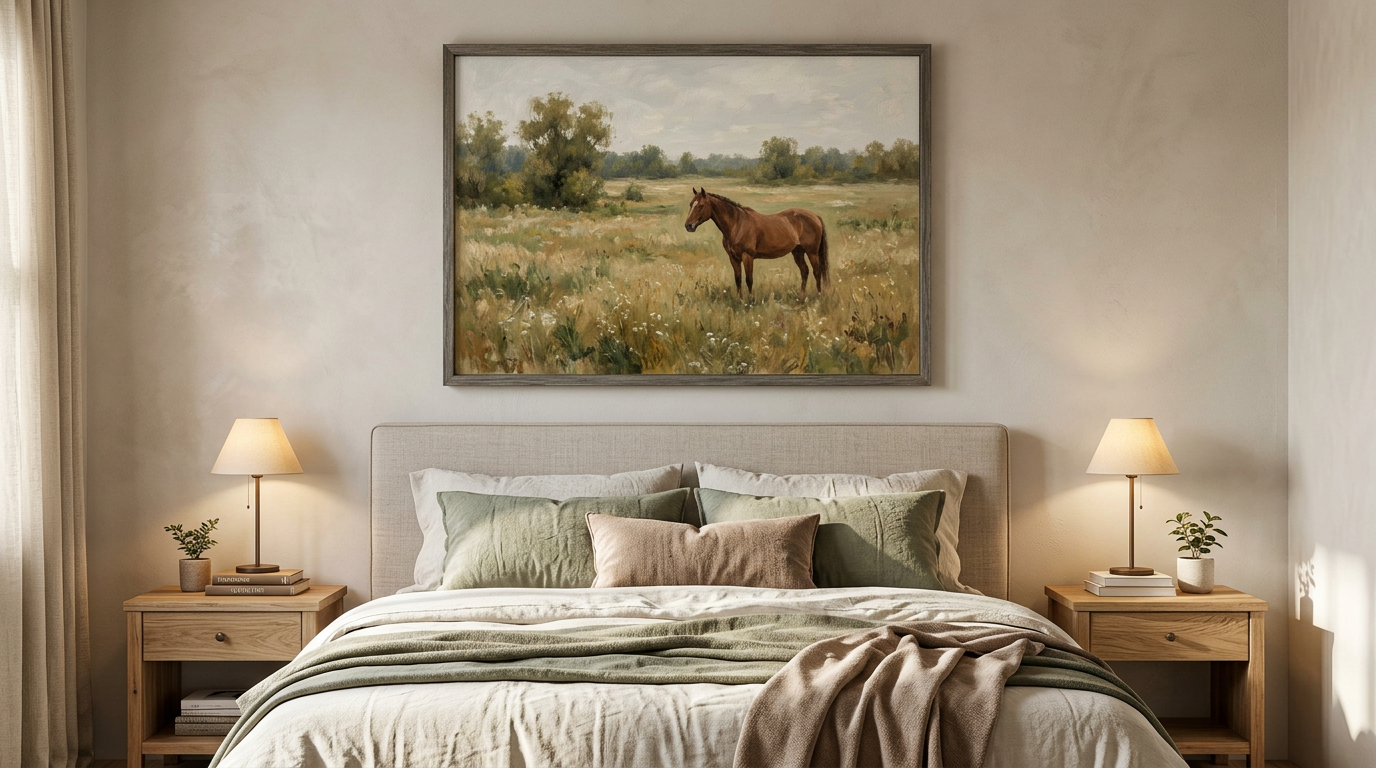
Realism aims to show subjects as they appear in life. Realistic paintings use careful detail, accurate proportions and natural light. A realistic painting of a horse, a landscape or a flower looks like a photograph at first glance. Realism suits rooms where you want the subject to be clearly recognisable, such as a dining room with a fruit still life or a bedroom with a peaceful landscape.

What is impressionism?
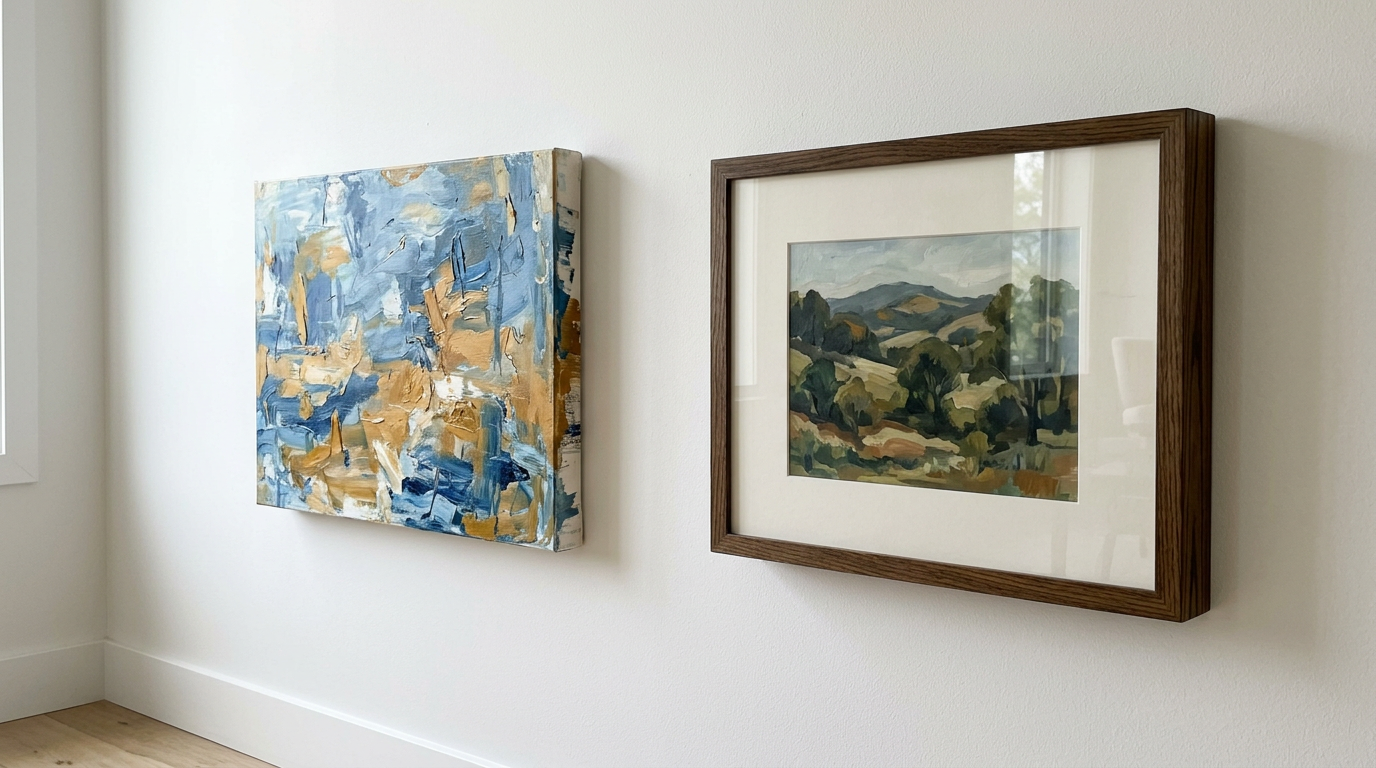
Impressionism focuses on the effect of light and colour rather than fine detail. Brushstrokes are visible, and the scene often feels spontaneous. Landscapes, water and flower fields are common subjects. Impressionist-style paintings suit living rooms and bedrooms, because the soft colour and movement create a calm, open feeling.
What is abstract art?
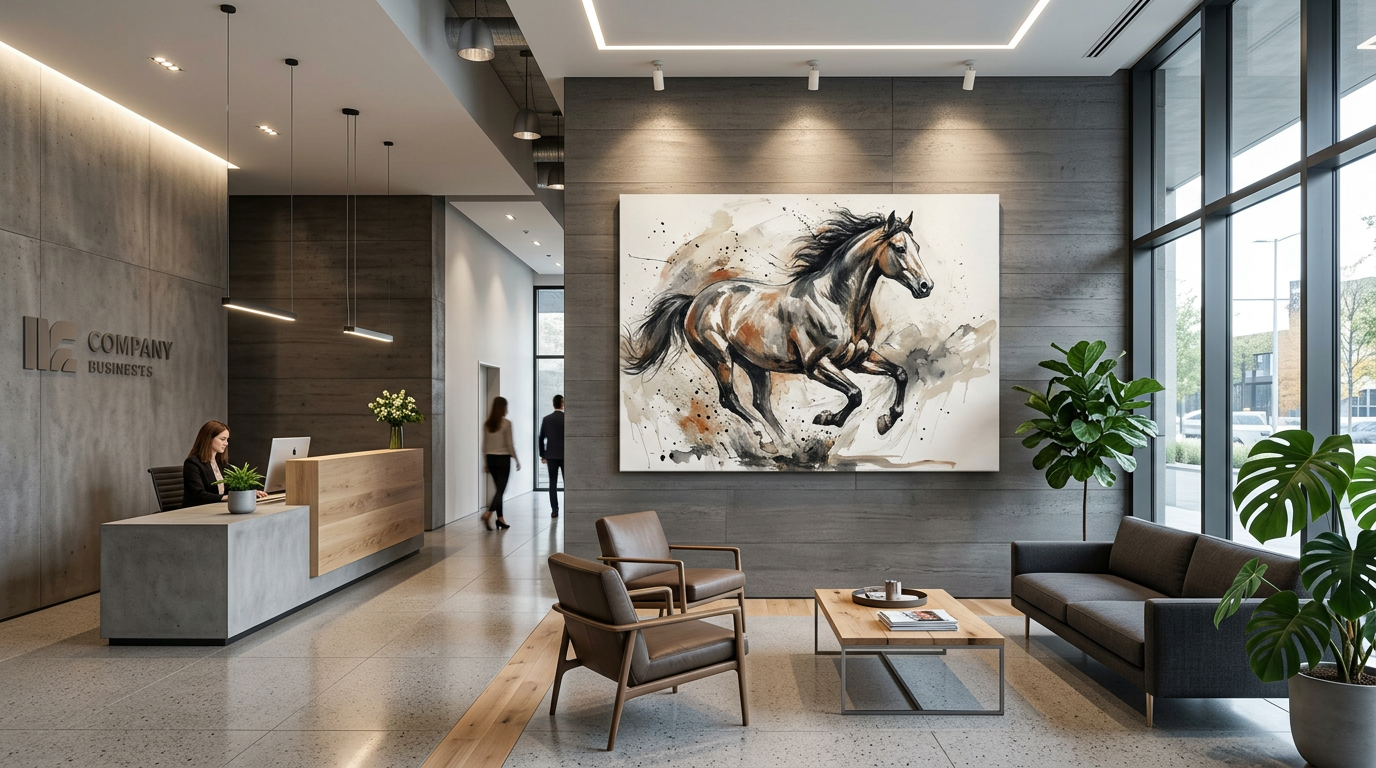
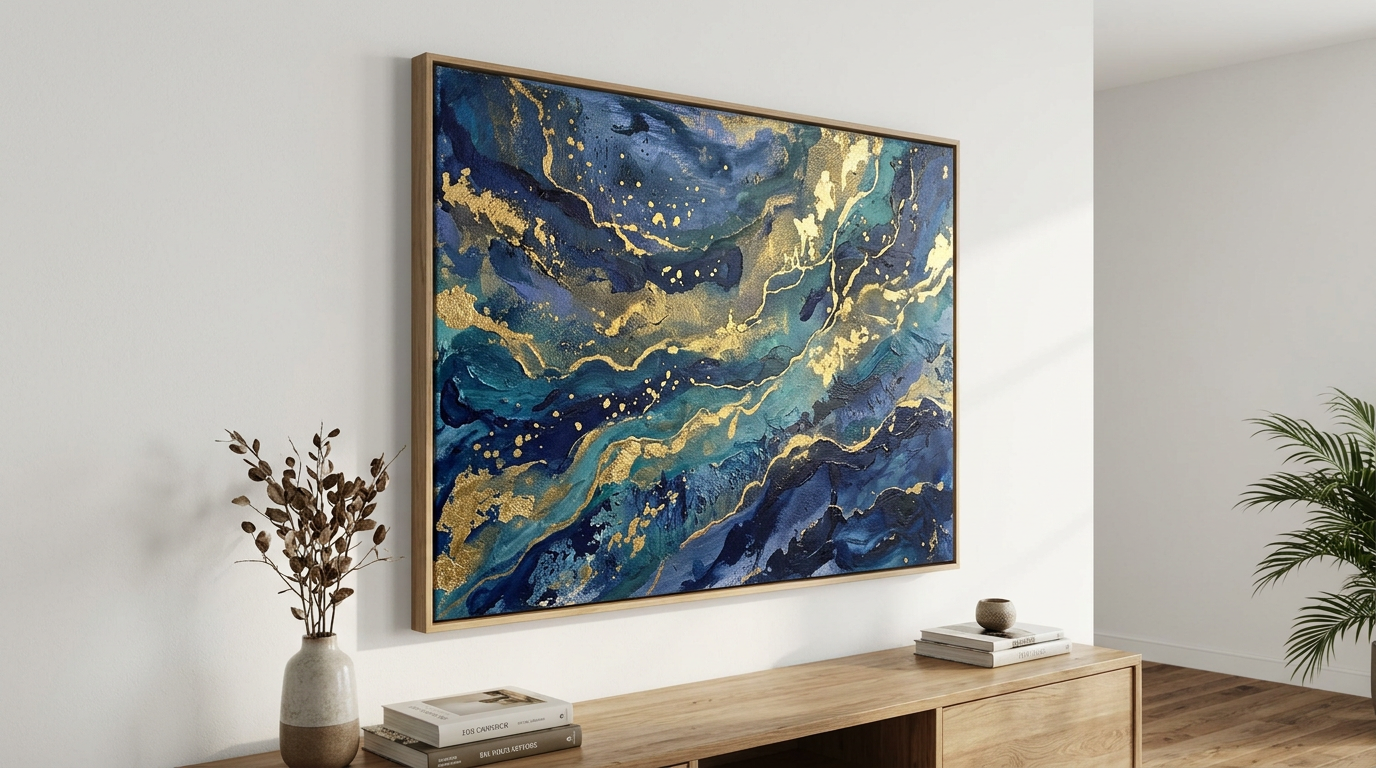
Abstract art does not try to show a recognisable object. Instead, it uses shape, colour, line and texture to create a mood or a feeling. Abstract paintings can be bold or quiet, geometric or flowing. They suit modern homes, offices and rooms with clean furniture, because they add interest without a strong subject that needs explaining.
What is pop art?
Pop art uses bright colours, bold outlines and images from everyday life, advertising and popular culture. It is playful and direct. Pop-style pieces suit children's rooms, cafes, offices with a creative culture, and spaces where you want energy and fun. Use them in moderation in calm rooms, so they do not overwhelm the rest of the decor.

What is nature-inspired or contemporary decor art?
Many decor paintings do not belong strictly to one historical movement. Nature-inspired art draws on landscapes, flowers, trees and animals, often with a stylised or modern treatment. It is one of the most popular categories for Indian living rooms and bedrooms, because it suits most colour schemes and sits comfortably beside both traditional and modern furniture. Our nature inspired paintings collection shows how this style works in practice.
How to choose a style for your home
Start with the room and the mood you want. Use this as a rough guide:
- Calm, restful rooms such as bedrooms suit realistic landscapes, impressionist scenes and soft abstract pieces.
- Social rooms such as living rooms suit nature-inspired art, bold abstract pieces and colourful landscapes.
- Modern, minimal rooms suit abstract art with a limited palette.
- Energetic spaces such as children's rooms and creative studios suit pop art and bright, playful subjects.
- Devotional and traditional spaces such as pooja rooms usually use traditional or realistic devotional imagery, rather than abstract or pop styles.
The style should suit the room, not only your taste in galleries. A pop piece can look wonderful in a studio but out of place in a formal prayer corner.
How to tell which style you like
Look at the art you already enjoy, in shops, hotels, restaurants and friends' homes. Notice whether you are drawn to detail or to mood, to bright colour or to soft tones, to recognisable subjects or to abstract shapes. Save photos of rooms you love and look for patterns. In a few weeks you will know your preferences more clearly.
Mixing styles on one wall
You can mix styles, but keep one thread that connects them. A shared colour palette, a common frame finish, or a repeated subject, such as nature, works well. Mixing too many unrelated styles on one wall makes it feel busy. Two complementary pieces are usually easier to live with than four unrelated ones.
Do art styles affect price?
Price depends on many things, including size, materials, printing method, framing and the artist's reputation. A style alone does not determine price. When you compare products, look at size, finish and delivery details rather than assuming one style costs more.
How to read a product description
Product descriptions often name a style or a subject. Look for words that describe the feeling, such as calm, bold, detailed or soft. Check the image carefully, because colours and textures can look different on a screen. If a description is unclear, ask on WhatsApp before you order. Our team can explain what a piece looks like in person-sized terms, such as how it will compare with your sofa.
Frequently asked questions
What is the easiest art style to live with?
Nature-inspired and soft abstract art suit most homes, because they fit many colour schemes and furniture styles.
Is abstract art suitable for Indian homes?
Yes. Abstract art works well in modern homes and offices, and it can sit beside traditional furniture when the colours are chosen carefully.
What style suits a pooja room?
Traditional or realistic devotional imagery usually suits a pooja room best. It is the most common choice in Indian homes.
Can I mix realism and abstract art?
Yes, as long as you share a colour palette or frame finish, so the pieces feel connected.
Key takeaways
- Realism shows subjects as they appear, with careful detail.
- Impressionism focuses on light, colour and movement.
- Abstract art uses shape, colour and texture rather than recognisable objects.
- Pop art is bold, bright and playful, best used in moderation.
- Choose a style that suits the room and its purpose, not just your gallery taste.